
Surfing is a physically demanding sport that requires a great deal of strength and endurance. As such, it’s not uncommon for surfers to experience soreness in various muscle groups after a long day in the water. Here are some of the muscles that are most commonly affected by surfing:
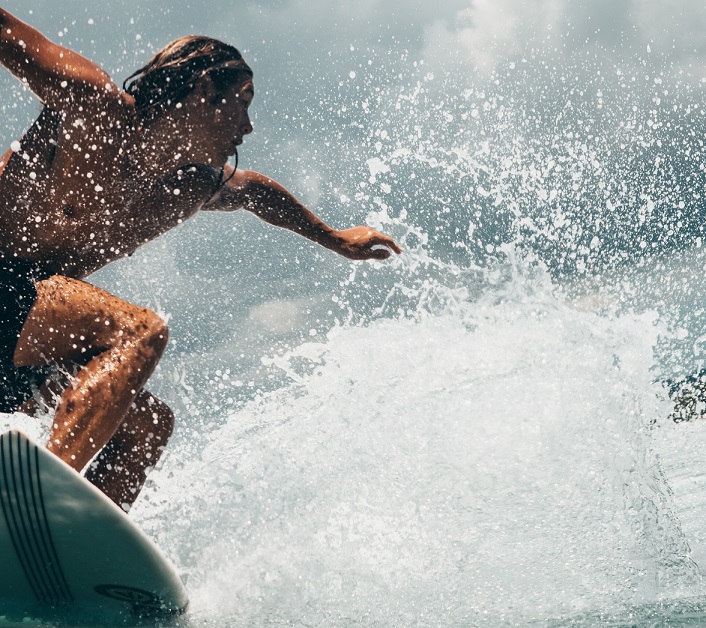
- Core muscles: The muscles in your core – including your abdominals, obliques, and lower back – play a crucial role in maintaining balance and stability while surfing. As a result, these muscles can become sore after a day spent paddling and riding waves.
- Shoulders: Surfing requires a lot of upper body strength, particularly in the shoulders. Paddling through the water, popping up onto the board, and carving through turns all require a great deal of shoulder mobility and strength.
- Arms: In addition to the shoulders, the muscles in your arms – including the biceps, triceps, and forearms – are also heavily used in surfing. Paddling through the water and executing maneuvers on the board require a great deal of arm strength and endurance.
- Legs: While the upper body is heavily used in surfing, the legs also play an important role. The quadriceps and glutes are used when standing up and riding waves, while the calf muscles are used for balance and control.
- Back: The muscles in your upper and lower back are also used extensively in surfing. Maintaining a proper posture while paddling and riding waves requires a great deal of back strength and endurance.
While soreness is a common occurrence for surfers, there are ways to minimize it. Stretching before and after surfing can help to alleviate muscle soreness and prevent injury. Additionally, cross-training with exercises that target the same muscle groups used in surfing – such as swimming or weightlifting – can help to build strength and endurance and reduce soreness.
Surfing is a sport that requires a great deal of strength and endurance, and as a result, can be physically demanding on the body. Proper conditioning and training can help to reduce muscle soreness and prevent injury.
Here are some exercises that can help to strengthen the muscles used in surfing:
1. Planks: Planks are a great way to strengthen the core muscles. Begin in a push-up position, but instead of lowering yourself to the ground, hold your body in a straight line from head to heels. Aim to hold the position for 30-60 seconds, and repeat for 3-5 sets.
2. Push-ups: Push-ups are a great way to build upper body strength. Begin in a push-up position, with your hands shoulder-width apart and your body in a straight line from head to heels. Lower yourself to the ground, and then push back up to the starting position. Aim to do 3 sets of 10-15 reps.
3. Lunges: Lunges are a great way to build leg strength. Start with your feet shoulder-width apart, and take a step forward with one leg. Lower your body down until your front knee is at a 90-degree angle, and then push back up to the starting position. Repeat on the other side, and aim to do 3 sets of 10-15 reps on each leg.
4. Pull-ups: Pull-ups are a great way to build upper body strength. If you don’t have access to a pull-up bar, you can use a resistance band to simulate the movement. Aim to do 3 sets of 10-15 reps.
5. Squats: Squats are a great way to build leg and glute strength. Begin with your feet shoulder-width apart, and lower your body down until your thighs are parallel to the ground. Push back up to the starting position, and aim to do 3 sets of 10-15 reps.
In addition to these exercises, it’s important to maintain proper form and technique when surfing. A proper stance and posture can help to minimize muscle soreness and prevent injury. It’s also important to stretch before and after surfing, to help reduce muscle soreness and prevent injury.
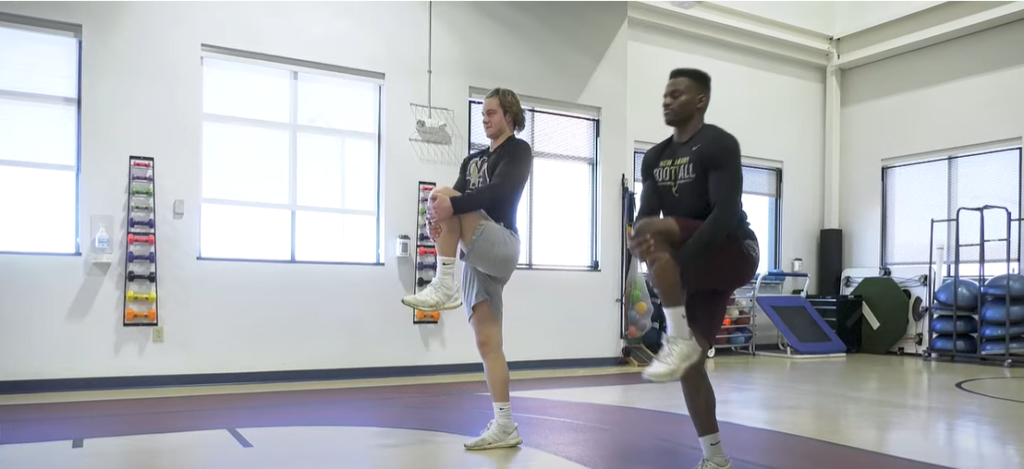
There are some other ways to help reduce muscle soreness and prevent injury when surfing:
Warm-up: Before hitting the waves, take some time to warm up your muscles. This can include stretching, light cardio, or even some yoga.
Rest and recovery: Give your muscles time to rest and recover after a long day of surfing. This can include taking a day off from surfing, or simply taking a few minutes to stretch and foam roll your muscles.
Proper nutrition: Eating a healthy, balanced diet can help to fuel your muscles and aid in recovery. Make sure to eat plenty of protein to help repair muscle tissue, and stay hydrated to help prevent muscle cramps.
Use proper equipment: Make sure to use proper surf equipment, including a board that is the right size and shape for your skill level. This can help to reduce the strain on your muscles and prevent injury.
Listen to your body: If you feel pain or discomfort while surfing, listen to your body and take a break. Pushing through the pain can lead to injury and prolonged muscle soreness.
Staying hydrated is very important while surfing. It might be counterintuitive to think about drinking water while in the water, but hydration is always important for any sport.
In summary, surfing can be a physically demanding sport that requires a great deal of strength and endurance. Soreness in the muscles is common after a long day of surfing, but can be minimized with proper conditioning and training. In addition, taking steps to reduce muscle soreness and prevent injury can help surfers to stay healthy and enjoy the sport for years to come.
Surfing can be a physically demanding sport, but with proper conditioning and training, surfers can build the strength and endurance needed to minimize muscle soreness and prevent injury.