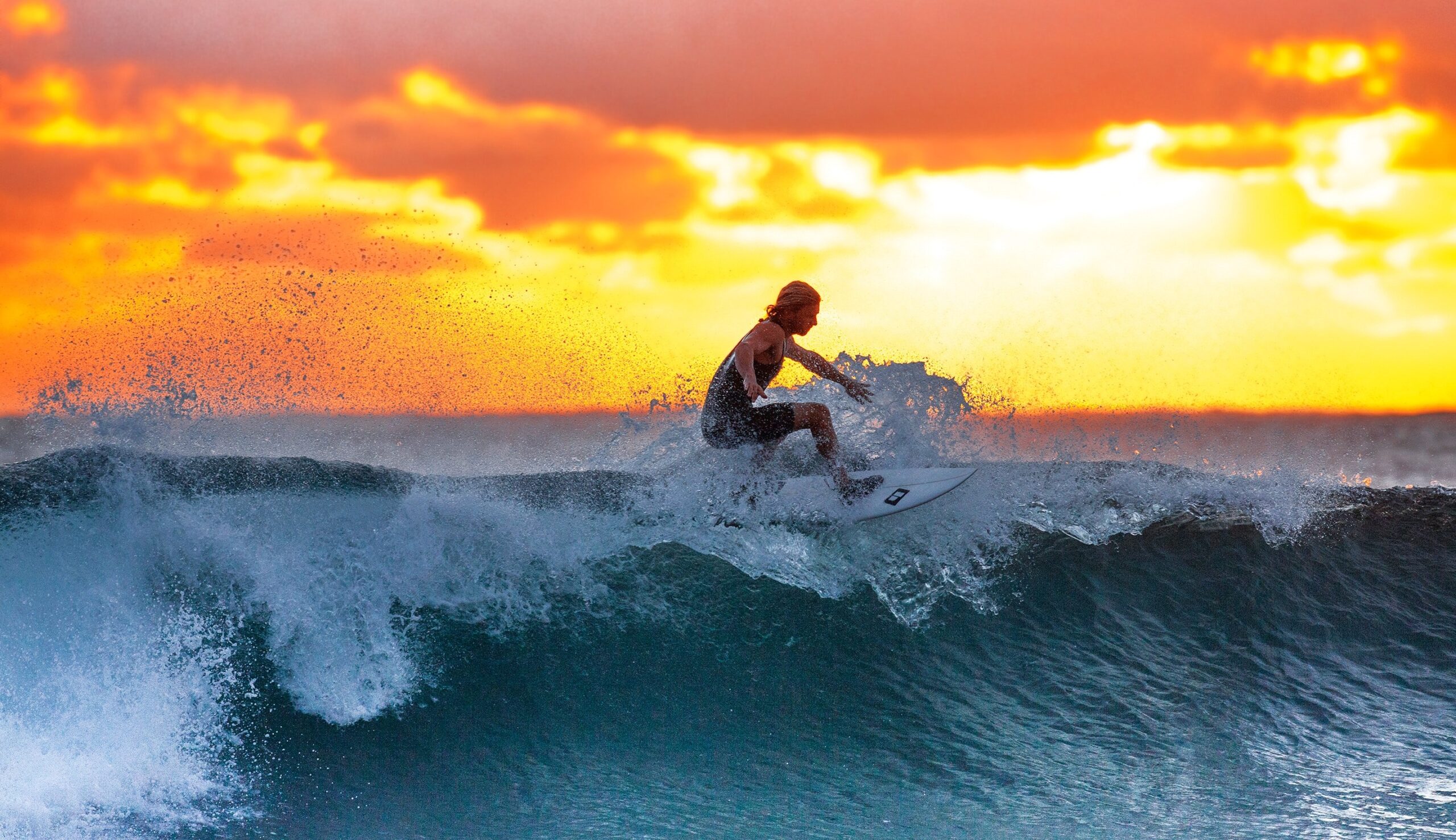
Longboarding is not just a style of surfing; it’s a way of life that embodies grace, elegance, and a deep connection with the ocean. While modern shortboards offer high-performance excitement, longboarding harks back to the roots of surfing, capturing the essence of wave riding in its purest form. In this article, we will delve into the world of longboarding, exploring the history, style, and grace that define this classic surfing discipline.

Part 1: The Roots of Longboarding
Longboarding’s history can be traced back to the origins of surfing itself. The earliest surfboards, or “alaia,” crafted by Polynesian cultures, were long, thin planks that set the foundation for what would become the art of longboarding. These ancient boards measured up to 15 feet in length, embodying the principles of glide and style that remain central to longboarding today.
Part 2: The Golden Era
The golden era of longboarding emerged during the mid-20th century, a period that is often referred to as the heyday of classic longboarding. Key characteristics of this era included:
- Classic Design: Longboards were made from solid wood, fiberglass, or foam and fiberglass. They featured a classic aesthetic, with traditional single-fin setups.
- Length and Weight: Longboards from this era often exceeded 9 to 10 feet in length, and their weight made them stable and easy to paddle.
- Elegance and Style: Surfers of this time exuded grace, style, and finesse. The focus was on smooth, fluid movements and an unhurried approach to riding waves.
- Hang Ten: The “hang ten” maneuver, where a surfer hangs all ten toes over the nose of the board, became synonymous with longboarding and epitomized the elegance of the discipline.
Part 3: The Resurgence of Classic Longboarding
In the 1990s, a resurgence of interest in classic longboarding began, reigniting a passion for the long, heavy boards of the past. Surfers began to appreciate the grace and timeless style that longboarding brought to the waves. Classic longboarding provided an alternative to the high-performance, shortboard-centric culture that had dominated the sport for decades.
Part 4: The Characteristics of Longboarding
Longboarding is defined by its distinct characteristics that set it apart from other surfing disciplines:
- Board Length: Longboards typically range from 9 to 12 feet in length. This added length provides stability and glide in the water, making it easier for surfers to catch waves and maintain speed.
- Heavy Weight: Classic longboards are often heavier than other surfboard types, which contributes to their stability. This weight helps surfers maintain balance and control while riding.
- Single Fin: Most longboards feature a single-fin setup, which provides a classic and stable feel in the water. The single fin allows for graceful, sweeping turns and maneuvers.
- Graceful Style: The hallmark of longboarding is the style and grace displayed by surfers. Riders focus on the beauty of the ride, expressing themselves through classic maneuvers and footwork.
Part 5: Classic Longboarding Maneuvers
Longboarding is known for its distinctive maneuvers that emphasize style and finesse. Some classic longboarding moves include:
- Hang Ten: As mentioned earlier, the “hang ten” is a signature maneuver of longboarding. Surfers hang all ten toes over the nose of the board, creating a picturesque image of elegance.
- Cross-Stepping: Cross-stepping involves moving gracefully and effortlessly up and down the length of the board. Surfers often use this maneuver to adjust their position on the wave.
- Soul Arch: The “soul arch” is a deep, stylish arching of the surfer’s back while riding a wave, creating a beautiful, flowing silhouette.
- Drop-Knee Turn: In the drop-knee turn, a surfer drops one knee while riding to accentuate the board’s pivot and style in a turn.
- Walk the Nose: Walking the nose, or “noseriding,” involves maneuvering to the front of the board and riding on the very tip. This is an advanced technique that showcases the surfer’s finesse.
Part 6: Contemporary Longboarding
Contemporary longboarding continues to evolve while preserving the core principles of style, grace, and connection with the ocean. Modern longboards have embraced new materials and design elements, making them more accessible and versatile. Many longboarders mix traditional moves with contemporary maneuvers, expanding the boundaries of what’s possible on a longboard.
The art of longboarding represents the heart and soul of surfing. It pays homage to the sport’s rich history while embracing the timeless qualities of style and grace. In a fast-paced world, longboarding encourages surfers to slow down, savor the moment, and become one with the waves. Whether you’re a classic longboarding enthusiast or a modern longboarder, the essence of longboarding lies in the journey, the connection to the ocean, and the celebration of the elegance that surfing was built upon. It’s a reminder that in the world of wave riding, beauty, style, and grace are timeless, essential, and evergreen.