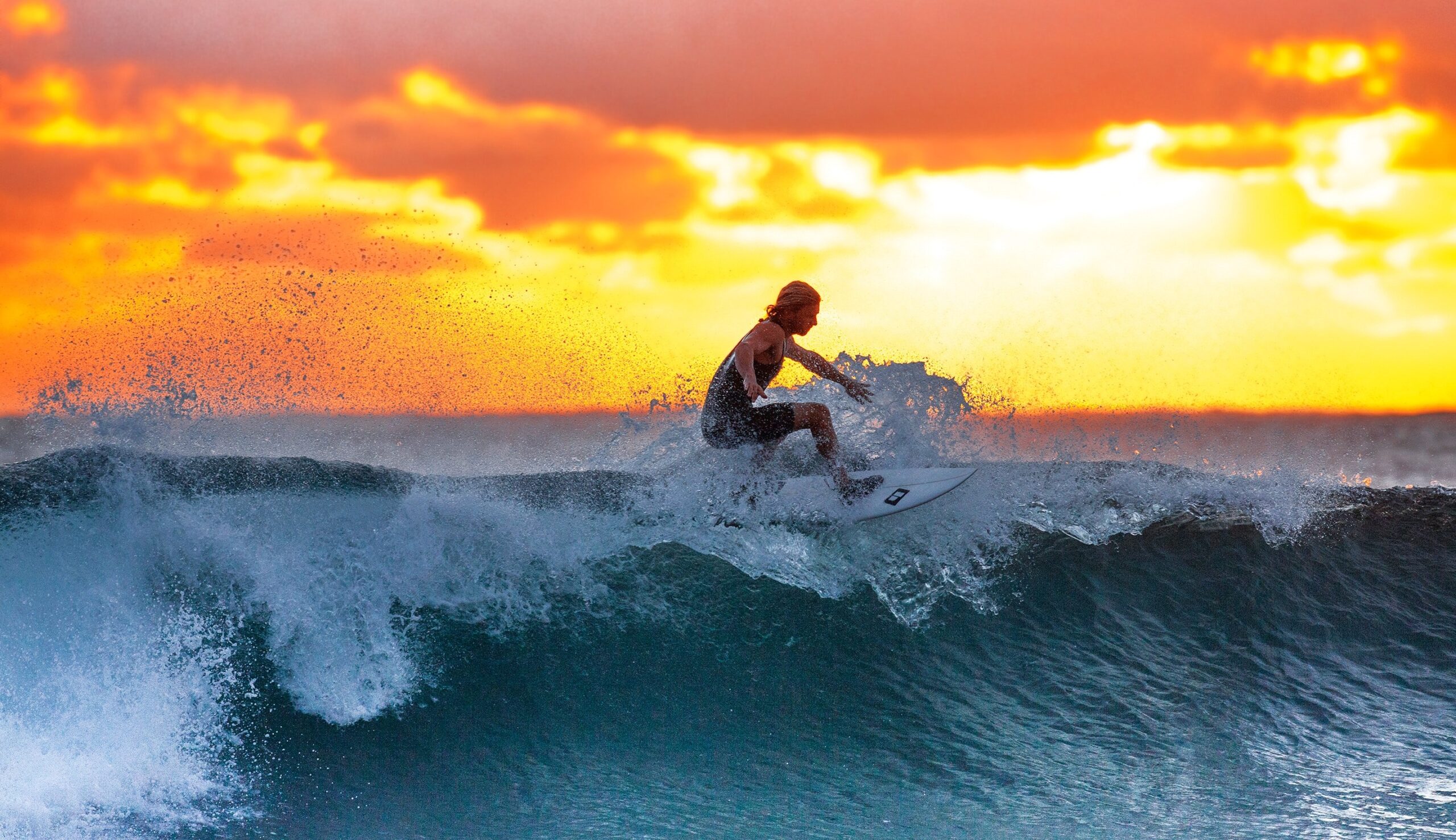
Hawaii, a lush archipelago in the heart of the Pacific Ocean, is not only celebrated for its breathtaking landscapes and vibrant culture but also for its rich surfing heritage. Hawaii holds a unique distinction as the birthplace of modern surfing, a sport deeply intertwined with the island’s history and traditions. In this article, we will delve into the origins of surfing in Hawaii, the evolution of the sport, the key figures who shaped it, and the iconic surf spots that continue to attract wave riders from around the world.
The Ancient Hawaiian Tradition
Surfing, or “he’e nalu” in the Hawaiian language, has deep roots in the culture of the islands. Ancient Hawaiians embraced surfing as more than just a sport; it was an integral part of their way of life. Surfing was not only a physical activity but also a spiritual and social practice.
The earliest forms of Hawaiian surfing date back over a thousand years, with references to the sport found in historical accounts and legends. Ancient Hawaiians crafted surfboards, or “alaia,” from native koa and wiliwili wood. These wooden boards were skillfully shaped, providing the rider with a buoyant platform to ride the waves.
Surfing was an activity for all, regardless of age, gender, or social status. It held a special place in Hawaiian society, even featuring prominently in Hawaiian mythology and chants. Riding waves was seen as a way to connect with the ocean, the environment, and the spiritual world.
Captain Cook’s Arrival and Surfing’s Decline
The arrival of Captain James Cook in 1778 marked a turning point in Hawaiian history. While Cook’s encounters with the islands introduced the Hawaiians to the outside world, it also had a significant impact on their traditional way of life, including surfing.
European diseases, such as smallpox, took a devastating toll on the Hawaiian population, leading to a decline in the practice of traditional customs, including surfing. As the islands became a hub for foreign trade, the introduction of new diseases and social upheaval led to a loss of the traditional knowledge and practices associated with surfing.
Rebirth of Surfing in the 20th Century
Despite these challenges, the spirit of surfing persisted in Hawaii, thanks to a few individuals who helped revive and modernize the sport.
- Duke Kahanamoku: Often referred to as the “Father of Modern Surfing,” Duke Kahanamoku was a Hawaiian legend who played a pivotal role in popularizing surfing around the world. He showcased his skills at various international events, earning recognition for the sport and demonstrating its grace and athleticism. Duke’s charisma and swimming talents made him a global ambassador for both surfing and Hawaii.
- Tom Blake: Tom Blake, a surfer and inventor, contributed significantly to the evolution of surfboard design. He developed the hollow surfboard, a lightweight and maneuverable board, which transformed the sport. Blake’s innovations in board design influenced the development of modern surfboards.
The Advent of Modern Surf Competitions
The early 20th century witnessed the rise of modern surf competitions, with Hawaii as the epicenter of the action. The Hui Nalu Surf Club, formed in 1908, organized the first recognized surf competitions. Surfing contests became an integral part of the Hawaiian culture and played a crucial role in the revival and propagation of the sport.
One of the most prestigious and iconic events is the Duke Kahanamoku Invitational Surfing Championship, held in honor of the legendary Duke. This competition has attracted top surfers from around the world and continues to celebrate the spirit of Hawaiian surfing.
Iconic Surf Spots in Hawaii
Hawaii’s unique geography provides a vast array of surf spots, catering to surfers of all skill levels. Some of the most iconic surf spots in Hawaii include:
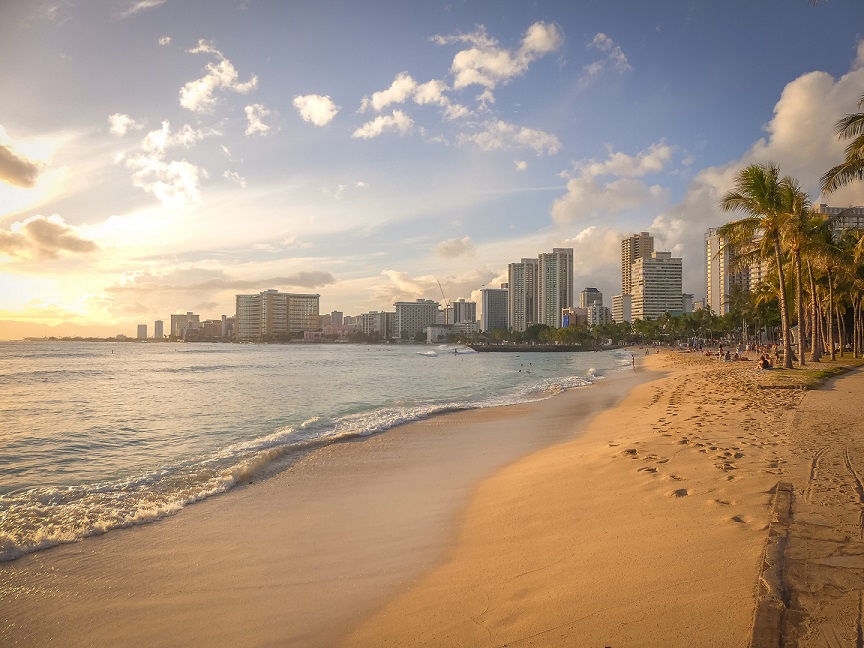
- Waikiki Beach: Waikiki is often regarded as the birthplace of modern surfing. The gentle, rolling waves here provide an ideal environment for beginners and longboarders. The spot holds historical significance as the place where Duke Kahanamoku introduced surfing to the world.
- North Shore, Oahu: The North Shore of Oahu is renowned for its monstrous, barreling waves during the winter months. Pipeline, Sunset Beach, and Waimea Bay are some of the most famous breaks that challenge even the most skilled surfers.
- Honolua Bay, Maui: Honolua Bay offers some of the best waves on Maui, known for its long left-hand point break. Surfers can expect a classic Hawaiian surfing experience here, with consistent and challenging waves.
- Hanalei Bay, Kauai: Hanalei Bay is a picturesque location on the island of Kauai, famous for its long sandy beach and friendly, mellow waves. It’s a great spot for all levels of surfers, offering a laid-back atmosphere.
- Makaha, Oahu: Makaha is known for its powerful and consistent waves. It’s been a training ground for some of the world’s top surfers and offers both rights and lefts for those seeking an exhilarating challenge.
The Legacy Continues
Today, Hawaii remains the spiritual home of surfing, attracting surfers and ocean enthusiasts from around the world. The sport’s modernization, its journey from an ancient Hawaiian tradition to a global phenomenon, can be traced back to these islands. Hawaii’s surf culture has shaped the sport’s evolution, fostering a deep respect for the ocean and the traditions that have been passed down through generations.
Surfing in Hawaii is more than a pastime; it’s a way of life that continues to honor the ocean and the land. It’s a testament to the enduring spirit of Hawaii and the profound connection between the people, the environment, and the waves. Whether you’re a beginner catching gentle waves in Waikiki or a seasoned surfer challenging the monstrous barrels of the North Shore, Hawaii offers a unique and unparalleled surfing experience, carrying on the legacy of a sport that was born in its waters.